Source Power Line Fittings for Substations, Lines, and Stays
Explore 30 verified power line fittings options including stay rods, piercing clamps, and link fittings. Compare specifications from Chinese manufacturers for substation and line applications. Source reliable components with customization and welding or cold pressing techniques available; compare the available evidence and request quotations based on your requirements.
Key considerations
Products List




Comprehensive Sourcing Guide
Power Line Fittings Sourcing Guide
Procuring power line fittings requires a disciplined approach to align technical performance with commercial viability. Buyers must navigate a complex landscape where product attributes vary significantly across suppliers, from welding techniques to injection molding processes. The observed market data indicates a wide price range of $0.02 to $999 USD, reflecting differences in material quality, manufacturing complexity, and order volume. Understanding these variables is essential for establishing realistic budget expectations and avoiding procurement surprises during the sourcing phase.
This guide provides a structured framework for evaluating power line fittings based on verified listing signals and technical specifications. By focusing on observable data points such as customization availability, sample policies, and origin locations, buyers can make informed decisions without relying on unverified claims. The following sections detail the critical steps for verifying product scope, ensuring compliance, managing costs, and qualifying suppliers to secure reliable long-term supply chains for electrical infrastructure projects.
Product Scope and Observed Listing Signals
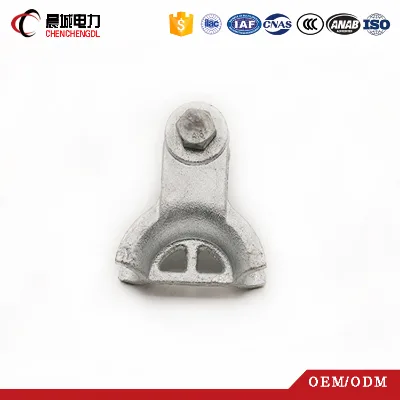
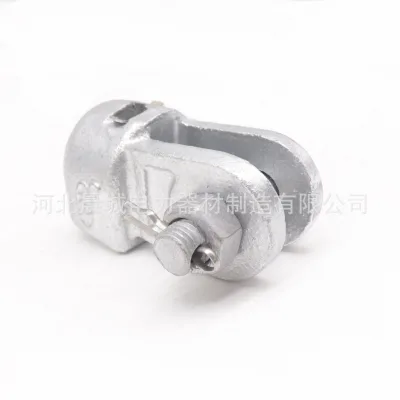
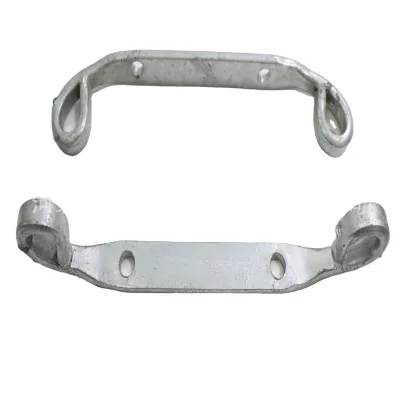
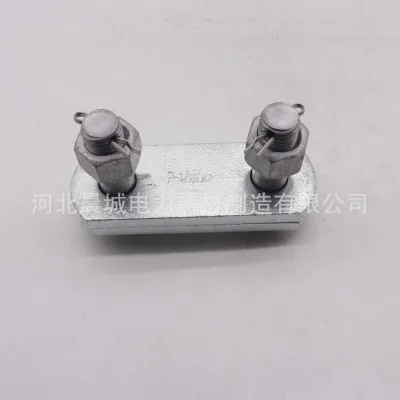
The current market for power line fittings encompasses a diverse array of components, including line fittings, substation fittings, and stay rods. Listings frequently highlight specific types such as pull-line fittings, link fittings, and piercing clamps, indicating a broad capability among manufacturers to serve various grid requirements. Buyers should note that customization is widely available, and many suppliers accept ODM requests, allowing for tailored solutions that meet specific project constraints. This flexibility is a key indicator of a supplier’s ability to adapt to unique engineering demands.
Origin locations provide additional context for sourcing decisions, with products listed from regions such as Yangzhou City and Handan County in China. These geographic clusters often correlate with established manufacturing hubs for electrical hardware. Packaging methods also vary, ranging from wooden cases and boxes to baking bags and pallets, which impacts logistics and storage requirements. Buyers must verify the specific packing instructions for each order, as some suppliers offer packaging according to customer requirements, while others adhere to standard practices that may affect transit safety and cost efficiency.
Technical Specifications to Verify
Technical verification begins with confirming the manufacturing techniques employed, such as welding, injection molding, or cold pressing. These processes directly influence the structural integrity and durability of the fittings, particularly for critical components like clevis guy fittings and vertical sidearm braces. Buyers should request detailed technical datasheets that specify the material grades and dimensional tolerances for each product type. For instance, stay rods and piercing clamps may have distinct mechanical properties that require precise validation to ensure they meet the load-bearing requirements of the intended installation.
Model numbers and standard designations, such as SMA150, GB, or JBC-1, serve as primary identifiers for product classification. However, buyers must cross-reference these codes with actual product capabilities, as some listings may use generic terms like "Non-GB" or "PH" standards without clear definitions. It is crucial to confirm whether the fittings are designed for specific voltage levels or environmental conditions. Verifying the exact model against the supplier’s engineering drawings ensures that the purchased components are compatible with existing infrastructure and will perform reliably under operational stress.
Compliance and Safety Documentation
Compliance verification is a critical step in mitigating risk, although specific certification statuses such as ISO 9001 or ISO 1461 should be treated as background information rather than guaranteed attributes. Buyers must request current, valid certificates from accredited bodies to confirm that the supplier’s quality management systems meet international requirements. Documentation should explicitly cover the manufacturing processes for power fittings, ensuring that every batch produced adheres to the stated standards. This due diligence helps prevent the procurement of substandard components that could lead to field failures or safety hazards.
Safety documentation should also include material test reports and factory inspection records. Buyers should verify that the fittings, whether they are link fittings or protection fittings, have undergone appropriate testing for mechanical strength and corrosion resistance. While some listings mention a 12-month warranty, this term should be clearly defined in the contract, specifying what defects are covered and the process for claims. Ensuring that all compliance documents are up-to-date and directly applicable to the ordered products is essential for maintaining regulatory adherence and operational safety.
Cost Drivers and Commercial Terms
Cost structures for power line fittings are influenced by several factors, including the observed minimum order quantity (MOQ) ranges of 1 to 5000 units. Higher volumes typically yield better unit prices, but buyers must balance this with inventory holding costs and project phasing. The wide price range observed in the market suggests that material costs, such as the type of metal or alloy used, significantly impact the final price. Buyers should request detailed breakdowns of costs to understand the value proposition of each supplier, distinguishing between basic fittings and those with specialized features like insulation piercing capabilities.
Commercial terms also include sample availability and lead times. Many suppliers offer free samples, which is a valuable opportunity to evaluate product quality before committing to large orders. However, buyers should clarify whether shipping costs for samples are covered and how long it takes to receive them. Lead times can vary based on production capacity and customization requirements, so it is important to establish clear delivery schedules in the purchase agreement. Understanding these commercial dynamics helps buyers negotiate favorable terms and manage cash flow effectively throughout the procurement cycle.
Supplier Qualification and Quality Control
Supplier qualification involves assessing the manufacturer’s production capabilities and quality control processes. Buyers should verify the supplier’s facility through virtual tours or third-party audits, focusing on their ability to handle specific techniques like welding or cold pressing. The presence of customization and ODM acceptance indicates a flexible production line, but buyers must ensure that quality control measures are robust enough to maintain consistency across customized orders. Requesting references from previous clients can provide insights into the supplier’s reliability and responsiveness.
Quality control checks should include incoming material inspections, in-process monitoring, and final product testing. Buyers should specify the acceptance criteria for defects and the procedures for handling non-conforming products. Since packaging methods vary, it is important to ensure that the chosen packaging protects the fittings during transit, especially for delicate components like piercing clamps. Establishing a clear communication channel for quality issues and defining the resolution process helps maintain high standards and ensures that any problems are addressed promptly and effectively.
Long-Term Procurement Checks
Long-term procurement success depends on establishing a sustainable relationship with suppliers that prioritizes continuous improvement and adaptability. Buyers should conduct regular performance reviews, assessing factors such as on-time delivery, product consistency, and responsiveness to technical queries. Maintaining a diversified supplier base can mitigate risks associated with single-source dependencies, ensuring that alternative options are available if primary suppliers face disruptions. Regularly updating technical specifications and market knowledge helps buyers stay ahead of industry changes and technological advancements.
It is also important to revisit commercial terms periodically to ensure they remain competitive and aligned with current market conditions. Buyers should monitor changes in raw material costs and adjust pricing strategies accordingly. Building a collaborative partnership with suppliers can lead to better innovation and cost-saving opportunities, such as joint development of new fitting designs. By focusing on long-term value rather than just initial price, buyers can secure a reliable supply of high-quality power line fittings that support the integrity and efficiency of their electrical infrastructure projects.
FAQs
What customization options are available for power line fittings?
Customization is available for these power line fittings to meet specific project requirements. Buyers can request tailored specifications, including unique dimensions or material preferences. The supplier accepts ODM requests, allowing for original design manufacturing. This flexibility ensures that the final product aligns precisely with the intended application, whether for line or substation use.
Can I get a free sample before placing a bulk order?
Yes, a free sample is provided to help buyers evaluate product quality before committing to a large purchase. This allows for thorough inspection of the welding or cold pressing techniques used. It is a practical step to verify that the fittings meet the required standards and performance expectations for your specific electrical infrastructure needs.
What is the warranty period for these power line fittings?
The warranty period for these power line fittings is 12 months from the date of delivery. This coverage provides assurance regarding the durability and reliability of the components. It applies to manufacturing defects and ensures that the fittings perform as expected under normal operating conditions within the specified electrical grid environments.
How are the power line fittings packaged for shipping?
The power line fittings are packaged in wooden cases to ensure safe transit. Alternatively, packaging can be customized according to customer requirements, including wood cases, cartons, bags, or pallets. This flexible approach protects the fittings from damage during long-distance shipping and allows for efficient handling and storage at the destination site.
What manufacturing techniques are used for these power line fittings?
Various manufacturing techniques are employed, including welding, injection molding, and cold pressing. The specific method depends on the type of fitting, such as stay rods, piercing clamps, or link fittings. These processes ensure structural integrity and precision, catering to different applications in line and substation infrastructure with high-quality standards.
What is the minimum order quantity for these power line fittings?
The minimum order quantity ranges from 1 to 5000 units, depending on the specific product type. This flexible MOQ allows buyers to order small quantities for testing or large volumes for extensive projects. It accommodates diverse procurement needs, ensuring that both small-scale repairs and large infrastructure developments can be supported effectively.